The Signal
Quantinuum says Reimei completes H2 upgrade
Quantinuum says its Reimei quantum computer at RIKEN has completed an upgrade to System Model H2. The company says the upgrade expands the hybrid platform’s capabilities as the partners pursue research and development in quantum-AI computing.
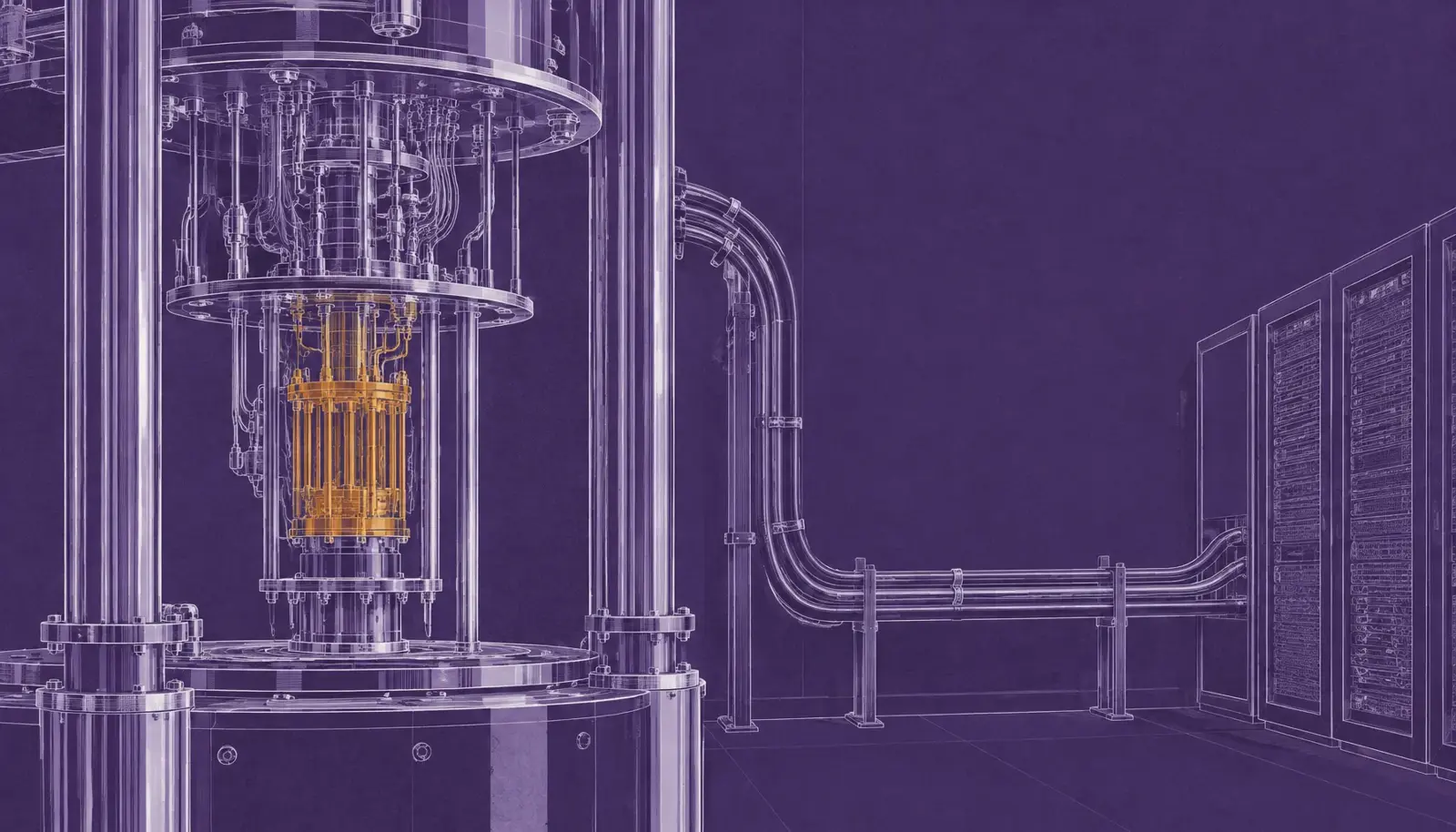
Reimei moves to H2
Quantinuum said on November 10 that Reimei, installed at RIKEN, had successfully completed an upgrade to System Model H2. The quantum computer operates within the JHPC-quantum project, which is funded by Japan’s New Energy and Industrial Technology Development Organization, or NEDO.
Quantinuum says the upgrade further enhances the hybrid platform’s capabilities and enables researchers to investigate more complex quantum systems that are increasingly difficult to simulate using classical computing alone. The company described the platform as the most capable of its kind in the world. RIKEN division director Mitsuhisa Sato said the upgraded system would support larger and more complex scientific problems than the previous H1 system.
Projects combine quantum computing and AI
Two research projects had begun operating on Reimei before the public launch of its services, according to the announcement. One project uses RIKEN’s ROQUO GPU supercomputer to train an AI model on quantum data generated by Reimei for simulations of magnetism. The partners said preliminary results suggest the model predicts more accurately than AI models trained only on classical simulations, and more precisely than the quantum computer itself.
Quantinuum says understanding magnetism at the atomic level could inform materials for technologies including ultra-high-field MRI and smart power grids. A second project combines Reimei with RIKEN’s Fugaku supercomputer and an NVIDIA evolutionary AI agent running on ROQUO to simulate a photoactive biomolecule. Quantinuum says the project targets unprecedented scale and detail; the company says better understanding of how biomolecules respond to light could inform more efficient solar cells. The announcement says the research supports RIKEN’s AI for Science initiative and aligns with U.S.-Japan efforts, including a planned $1 billion partnership under the U.S. Genesis Mission.
Plans for Japanese development and data centers
Quantinuum and RIKEN also plan joint research and development toward a fault-tolerant “Made with Japan” quantum computer, involving Japanese universities and domestic components suppliers. The partners will draw on their experience integrating and operating Reimei as they work on that effort. RIKEN division director Mitsuhisa Sato said a newly signed memorandum of understanding would provide a route to expand research into quantum computing for AI for Science.
In a separate agreement, Quantinuum, RIKEN and SoftBank will explore connecting quantum computers directly with AI data centers in Japan. The three organizations plan to assess infrastructure readiness and examine how connected systems could support commercial quantum-AI hybrid computing services beyond research institutions. SoftBank said it aims to advance a Quantum AI Datacenter connecting quantum computing with AI and HPC, with the goal of making those capabilities accessible to businesses across Japan.
Quantinuum cautioned that the research results are preliminary, came from experimental settings and may not be confirmed or replicated at larger scale or in commercial use. The planned fault-tolerant computer and data-center collaboration were also listed by Quantinuum among forward-looking efforts subject to risks, including whether the agreements lead to joint development or commercial services.
Source
Companies in this story
Related stories
- Quantum team tests monopole-scattering analogue on Quantinuum H2
- Luthra and Owens Demonstrate QLDPC Surgery on Quantinuum H2-2
- RIKEN Team Derives Entropy Increase from Quantum Mechanics
- Quantinuum and Oracle Open Helios Beta to Selected Cloud Users
- NVIDIA says Slurm 26.11 will schedule quantum processors