The Signal
Quantum Base Wins £0.7M UKRI Future Leaders Fellowship for Quantum-Materials Research
Quantum Base has been awarded a £0.7 million UK Research and Innovation Future Leaders Fellowship grant. The funding is intended to support a four-year research programme led by the company’s head of materials science, Dr William Thom.
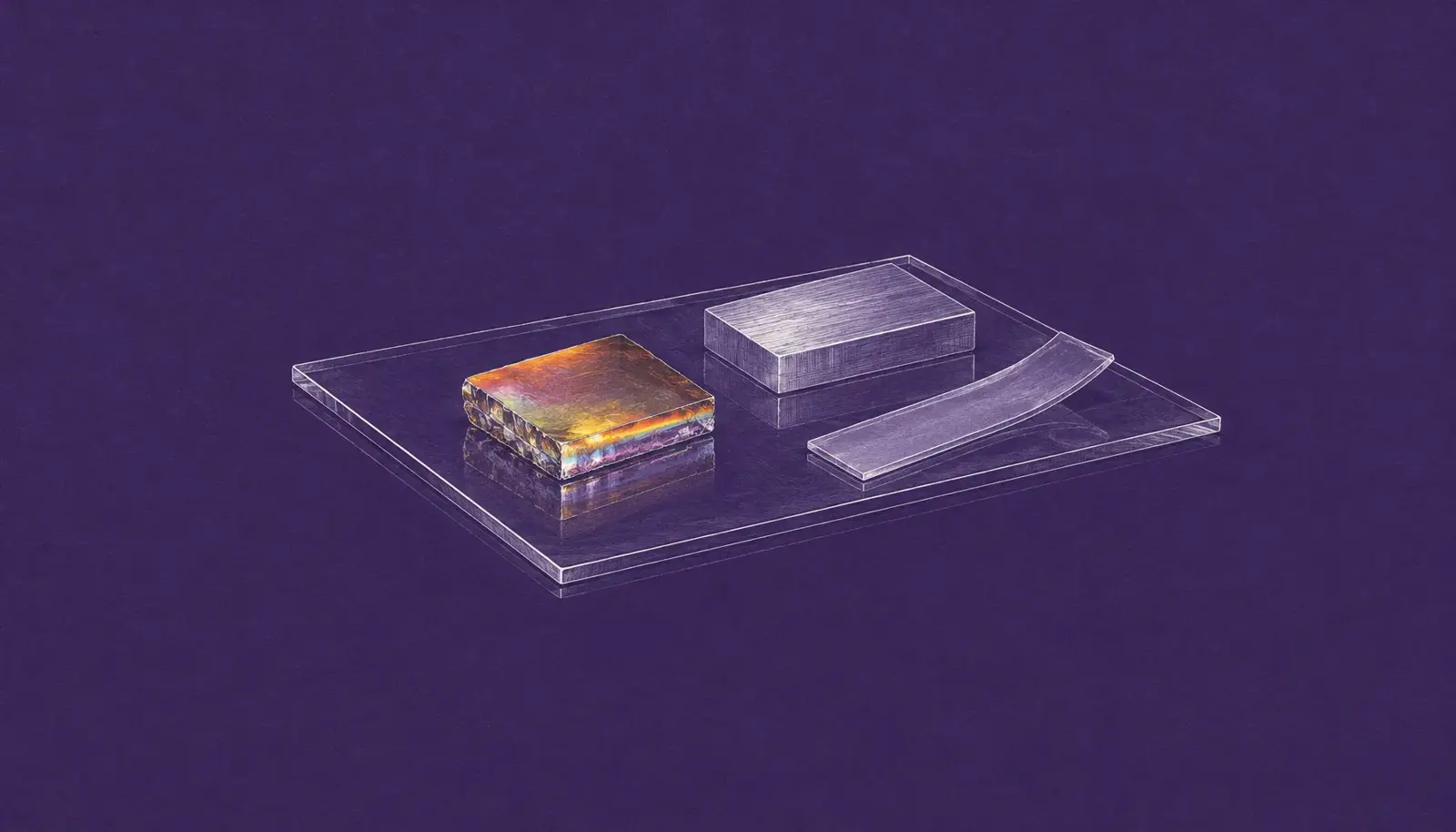
Quantum Base has been awarded a £0.7 million UK Research and Innovation (UKRI) Future Leaders Fellowship grant to support a four-year research programme led by Dr William Thom, the company’s head of materials science. The programme, titled “Next-Generation Quantum Materials for Intrinsic Authentication (Q-MAT),” is scheduled to run from 1 November 2026 to 31 October 2030, with the potential to be extended for a further three years.
Source companyresearch2.digitallook.com
The company said the grant is non-dilutive funding and that the fellowship will be received by Thom. The research will be led at Quantum Base’s Lancaster facility. Intellectual property generated through the programme will be owned by the company.
Research will focus on quantum materials and new substrates
Q-MAT will focus on developing the next generation of quantum materials underpinning Quantum Base’s Q-ID authentication technology. The programme will examine extending Q-ID across new substrates, including glass, metals and polymers; the release presents this as a research focus and potential outcome, rather than a certain result.
If development is successful, the work could broaden the addressable market for Q-ID and support entry into applications such as high-tech manufacturing, aerospace components and polymer banknotes. The company describes Q-ID as authentication tags that can be applied to products to help mitigate counterfeiting.
“We're delighted to accept this Grant, which we believe to be a significant endorsement of both Dr Thom and the world-class research capability we have built at Quantum Base. The Future Leaders Fellowship is one of the UK's most competitive research programmes, and securing this funding reflects the strength of our science and the commercial potential of our technology.”
The grant is being made available by Innovate UK, part of UKRI. The company’s announcement describes Future Leaders Fellowships as awards for outstanding researchers and innovators with the potential to become leaders in their field.
Funding is expected to contribute to research costs
Quantum Base expects the funding to recover approximately 70% of the cost of a dedicated research team that is already included in the group’s cost base. The release says this is expected to reduce net operating costs while increasing investment in innovation. The grant is £0.7 million in total and will support the four-year programme.
Quantum Base describes Q-ID as based on atomic-level randomness
Quantum Base says the technology underpinning Q-ID uses randomness at the atomic level. The company describes its tags as non-replicable authenticity markers that can be applied to a wide range of products and says they can be used on almost any print line without changing a product’s existing design.
The company says Q-ID tags can be authenticated using existing, unmodified smartphone technology. It also says it is developing Q-RAND, a nanoscale quantum random number generator that has reached the prototype stage. These products and technologies form part of Quantum Base’s work in quantum science and authentication.
Source
Related stories
- Rosetta Audit Finds Quantum Roadmaps Slip Up to Three Years
- GQI Says Quantum Deals Are Consolidating Around Bigger Platforms
- IonQ Gets $7.5M AFRL Phase 2 for Quantum Networking
- IDEMIA and KT Put Post-Quantum SIMs Into South Korea’s Defense Pilot
- Intel Agrees to Acquire Classiq for Full-Stack Quantum Computing