The Signal
NPL Gets £230,000 to Scale Ion-Trap Packaging
The National Physical Laboratory has secured £230,000 from the Government Office for Technology Transfer for work on batch packaging of ion traps. The project targets manufacturing bottlenecks that limit production yield and the scale-up of
Quantum.world Team · Written with AI · fact-checked ·
The National Physical Laboratory has an ion-trap system operating at the National Quantum Computing Centre, but getting a device into a laboratory is different from producing devices reliably in larger numbers. On October 21, NPL announced £230,000 in funding from the Government Office for Technology Transfer to address that manufacturing gap.
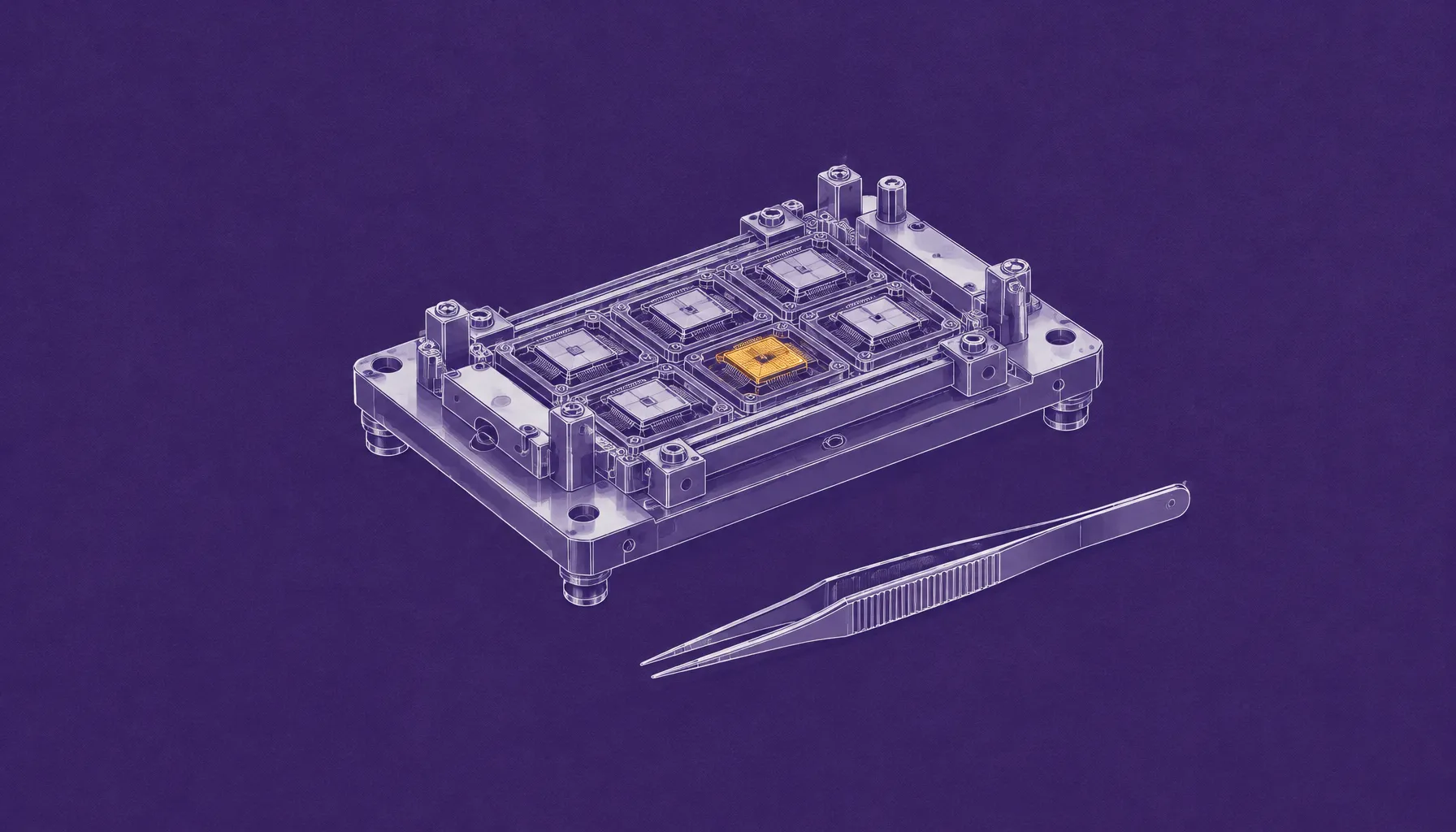
The project will develop a batch packaging process for ion traps. NPL says the work targets production-yield bottlenecks in the final stages of fabrication, where packaging can limit how efficiently devices are made. The announcement sets out a development goal, not a measured increase in yield: it reports no completed process or production results.
From an NQCC installation to repeatable production
NPL has developed a chip-scale microtrap that can confine and manipulate arrays of ions. Its devices support research at NPL and the University of Oxford. A previous GOTT-funded project enabled NPL to install a microtrap system at the NQCC, which NPL described as the first demonstration of trapped-ion technology in the centre’s laboratories.
That installation provides a concrete research milestone, but it does not resolve the challenge of making and packaging devices at scale. NPL’s earlier account says the trap transferred to the NQCC used a chip from an existing fabrication batch; the laboratory completed its packaging and integrated optical and electrical systems before transfer. The NQCC trapped its first ions in the system on March 28, 2025. NPL’s account of the installation describes a working research platform, not evidence that the newly funded process has improved manufacturing yield.
Packaging is the funded task
NPL says the new work will implement batch packaging to address scalability and production-yield constraints near the end of fabrication. The planned process is intended to improve manufacturing efficiency and support reliable production of ion traps for networked trapped-ion architectures. The announcement does not specify how many devices the project will package, set a target yield, or give a project completion date.
The distinction matters: an individual trap can operate in a research setup while repeatable production remains unresolved. Batch packaging is the specific manufacturing step named in the award; NPL presents it as part of the route from laboratory research toward deployable systems, rather than as proof that those systems are already available.
Larijani frames scale-up as the next hurdle
Cyrus Larijani, Programme Director for NPL Quantum, described manufacturing as the next challenge after years of investment in research and collaboration. “The next challenge is ensuring that breakthrough technologies can be manufactured and deployed at scale,” he said. Cyrus Larijani, Programme Director for NPL Quantum
The announcement links the packaging work to larger, interconnected quantum systems and a UK supply chain for trapped-ion technology. The next evidence will be practical: whether the batch process produces devices more consistently and improves yield. NPL has announced funding to develop that process; it has not yet reported those results.