The Signal
Germany funds QUANDA to test quantum anomaly detection with HPC
Germany has funded QUANDA, a project connecting trapped-ion quantum computers with high-performance computing. Its partners plan to test quantum machine learning on three energy-sector anomaly-detection use cases.
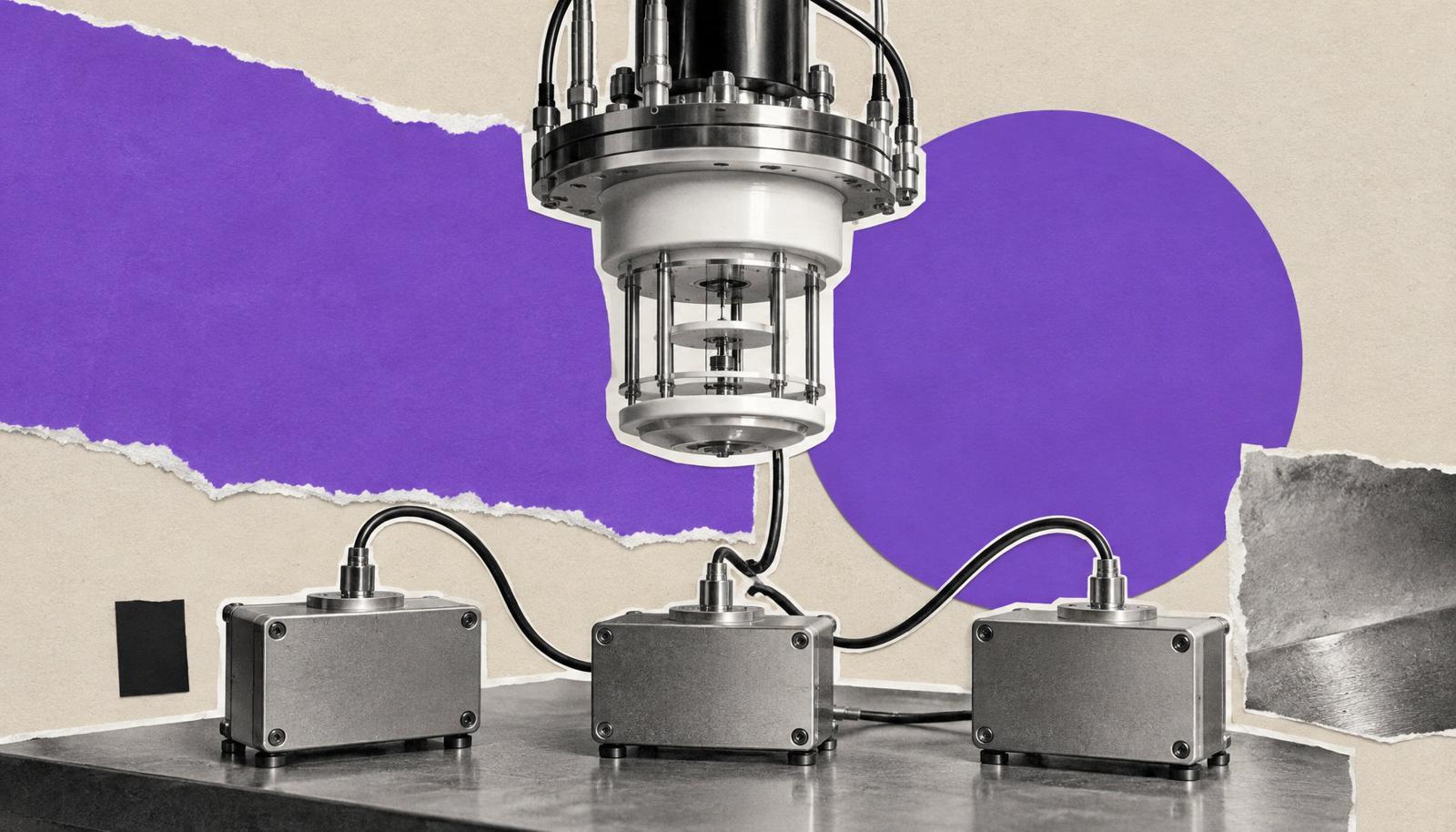
A hybrid computing project
A German-funded research project will test quantum machine learning for detecting unusual patterns in energy data by linking trapped-ion quantum computers with high-performance computing (HPC). The Göttingen Society for Scientific Data Processing (GWDG) reported on November 12 that QUANDA had launched with support from the Federal Ministry of Research, Technology, and Space.
The project is funded through the QC Next technology program and is linked as a satellite project to FullStaQD, a national initiative developing an open, modular software architecture for connecting quantum computers with existing computing environments. QUANDA is set to contribute software components to that effort.
Software and energy tests
GWDG and QUDORA Technologies are developing the technical integration between quantum computers and HPC infrastructure. QUDORA says the planned automated pipeline will cover submitting jobs, translating and compiling programs, and running them on quantum hardware. It is intended to coordinate quantum and classical computing within a shared workflow.
The partners plan to test the software through three energy-sector use cases involving anomaly detection. The project will develop data-preparation methods and learning models to identify unusual patterns in energy data. QUDORA describes the use cases as real-world tests; the project announcement presents them as tests of quantum-based anomaly detection, not as reported detection results.
The partners also plan to investigate circuit cutting, which divides complex quantum programs into smaller parts that can be calculated separately, with results combined on HPC systems. QUDORA says the project will integrate its trapped-ion computers into HPC environments for these tests.
Six consortium partners
The consortium includes Deggendorf Institute of Technology, GWDG, Leibniz University Hannover, QUDORA Technologies, UBT Future Energy Lab Wunsiedel and ZukunftsEnergie Nordostbayern. Deggendorf Institute of Technology leads the project. The planned software components are to contribute to FullStaQD.
Sources
- Original source GWDG gwdg.de
Other pages read
- QUDORA qudora.com
- GWDG press release 4/2026 gwdg.de
- Technische Hochschule Deggendorf thd-web-lb-ext.th-deg.de
Related stories
- ORCA PT-2 data yields larger malware-model refinement gains in study
- Researchers propose a common benchmark for photonic simulation
- IBM plans 520-qubit Nighthawk r3 and linked system for 2027
- PRX Quantum paper reports homodyne readout of spin information
- Study finds hybrid quantum grid solver did not beat random sampling